It’s Empowering to Run Because you Want to
It’s Empowering to Run Because you Want to


Estimated reading time: 6 minutes
Two days before the 2022 Boston Marathon, William Jones III – a panel guest at a sponsor event – sat in front of 40 panel attendees, reflecting on his running journey. Growing up outside Atlantic City, New Jersey, he had watched his grandfather, Nelson Dockery, run. Dockery was a construction worker and baseball umpire, and he ran to stay ft. Dockery often ran on a footbridge alongside a busy commuter bridge, a solitary figure running amid the chaos of city traffic. He always ran alone.
But apart from his grandfather, who is Black, Jones didn’t see other Black men and women running. Or any minority runners, in fact. The recreational joggers, the run clubs, the race participants? They were white.
Now, Jones was on a panel alongside Rosalie Fish, a collegiate Native American runner from Washington; Victoria Lo, the Asian-American founder of Chinatown Runners; and Erin McGrady, a queer Korean-American runner based in Asheville, North Carolina. Each athlete was a featured subject in a docu-series about runners who utilise the sport as a form of advocacy and community-building, particularly among marginalised groups.
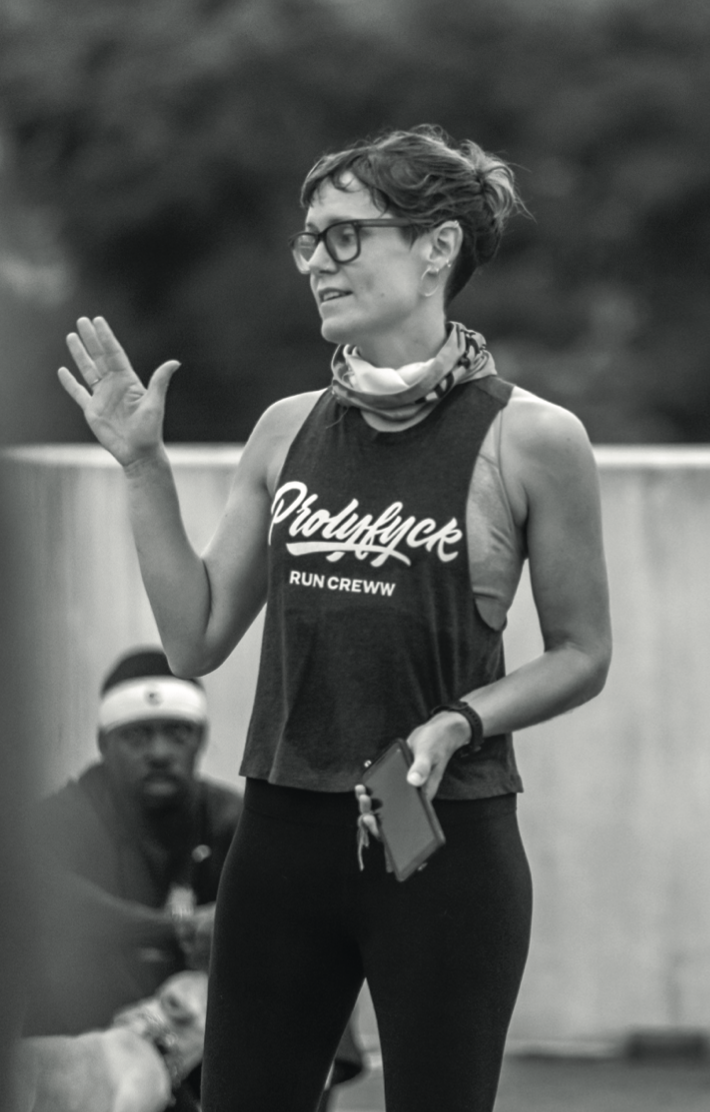
Jones started running when he and his wife, Yolonda, moved to Virginia Beach in the early 2000s. At first, he ran out of necessity – he wanted to access the beach from their apartment.
But soon he found himself going on regular runs. “We were made to run,” Jones, 39, says. “This is our first means of transportation. I think when we do it, it connects us to something bigger than us. There’s something spiritual about it.”
When will and Yolonda moved to Charlottesville, Virginia, in 2006, he designed his own nearly-five-mile route through the city’s predominantly Black neighbourhoods.
Racial segregation during the 20th century had led to discriminatory practices in many of Charlottesville’s housing districts. Jones wanted to run through Black neighbourhoods specifically, so people of colour could see him running by choice. He’d often bring his dog, a Yorkie, and run at 10pm or 11pm after a busy workday at his barber shop.
Before long, he invited a few of his clients to run with him; by 2019, several other Black runners had joined in. But Jones’ barber shop business was so busy that he worried he’d have to take a step back from the run group, which, at the time, he called Run These Streets.
“This run and this space – I am allowed to be here and be honest about how I feel” – Cheryl Robison
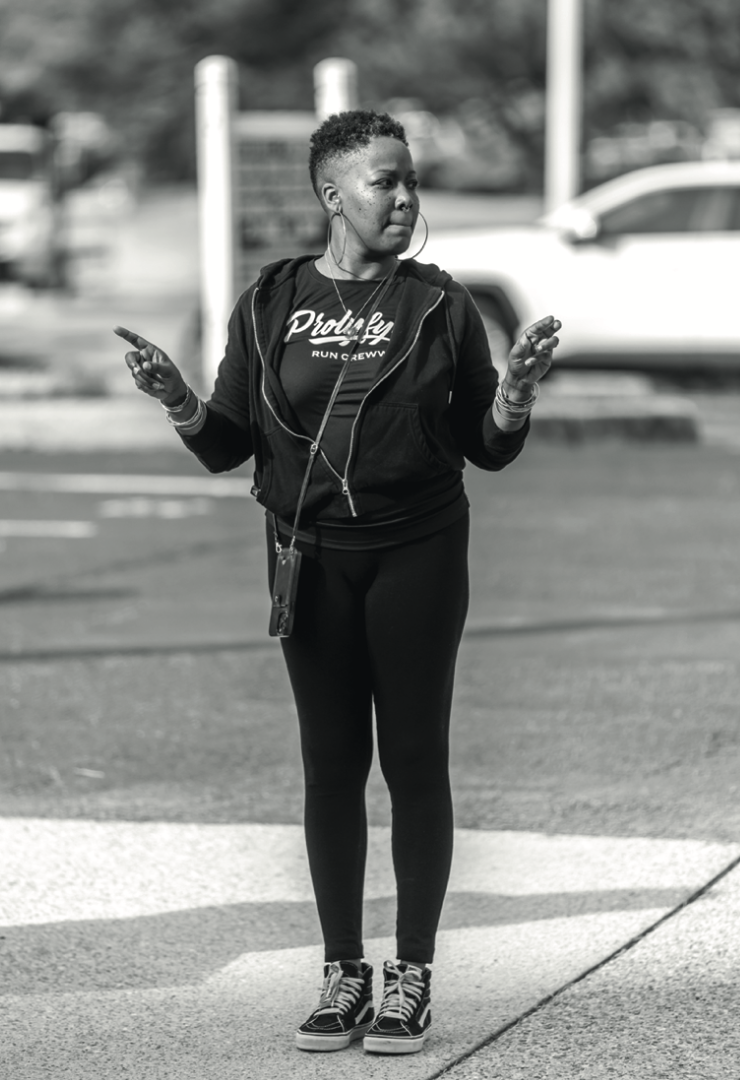
Then, in March 2020, the pandemic took hold and Jones’ business abruptly halted. Suddenly, he had more time and energy to build the run crew. Jones renamed the group the Prolyfyck Run Creww after the lyrics from Nipsey Hussle’s song Victory Lap: “I’m prolific, so gifted/I’m the type that’s gon’ go get it.”
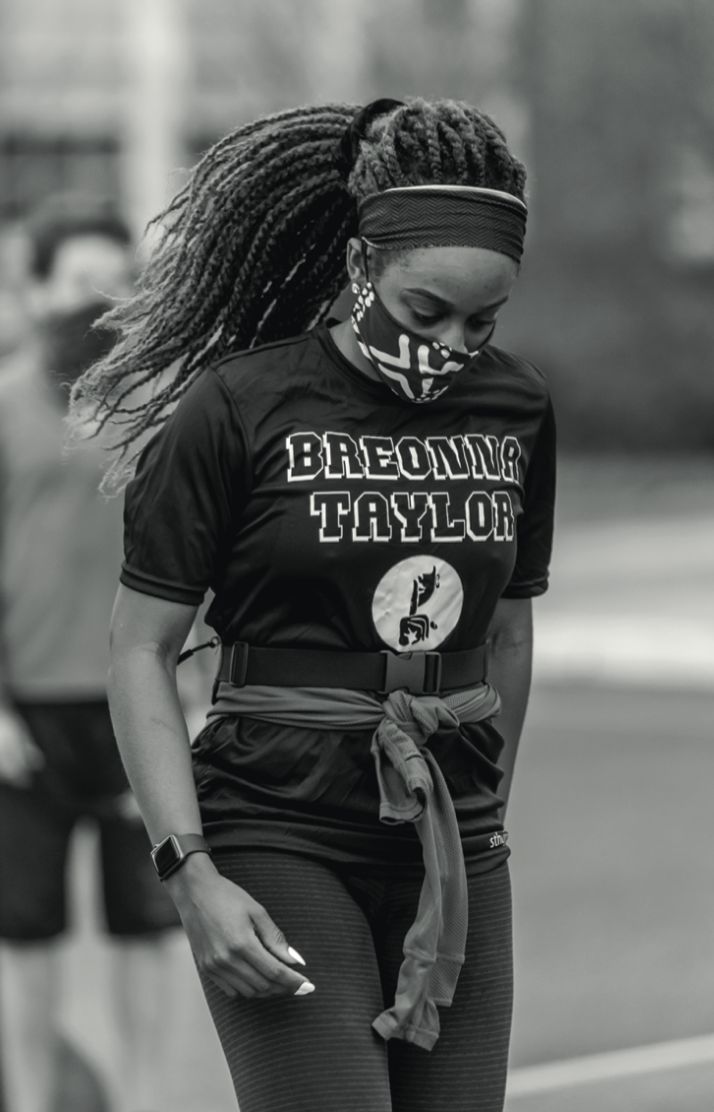
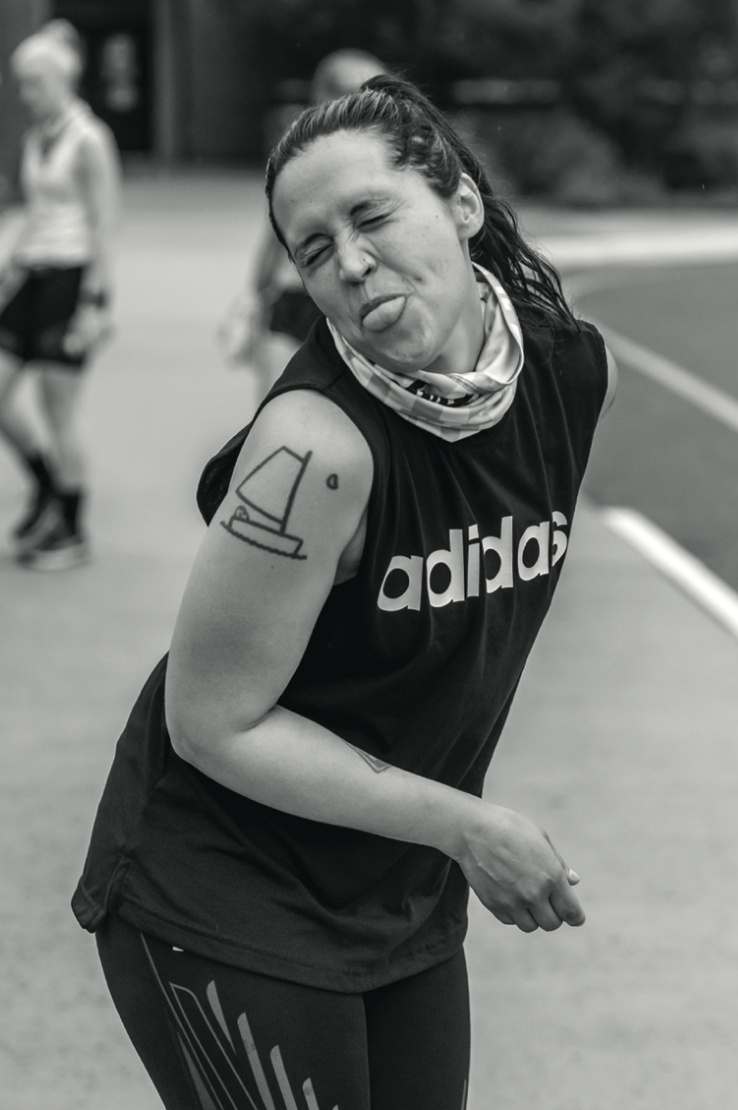
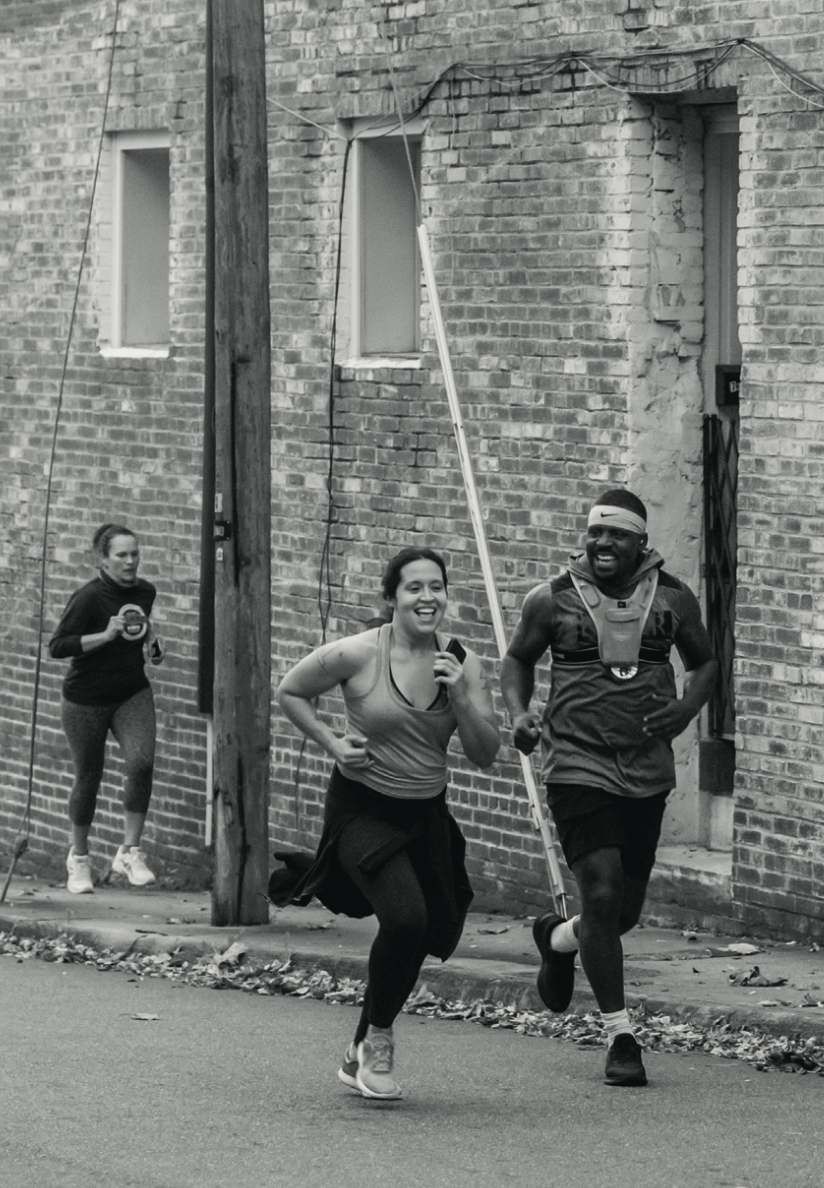
As spring turned to summer, the ongoing pandemic, and the nationwide Black Lives Matter marches and protests over the murders of Ahmaud Arbery, Breonna Taylor and George Floyd saw the group expand to 20, 40… sometimes more than 100 runners. They were a diverse mix of races, ages, body types, and run speeds.
“I think the white community in Charlottesville was looking for somewhere to put their energies to support and learn in different ways,” Jones says. “That kind of caused us to explode in a way, and bring in a lot of diversity. Now, we are letting white people into our space, so to speak.”
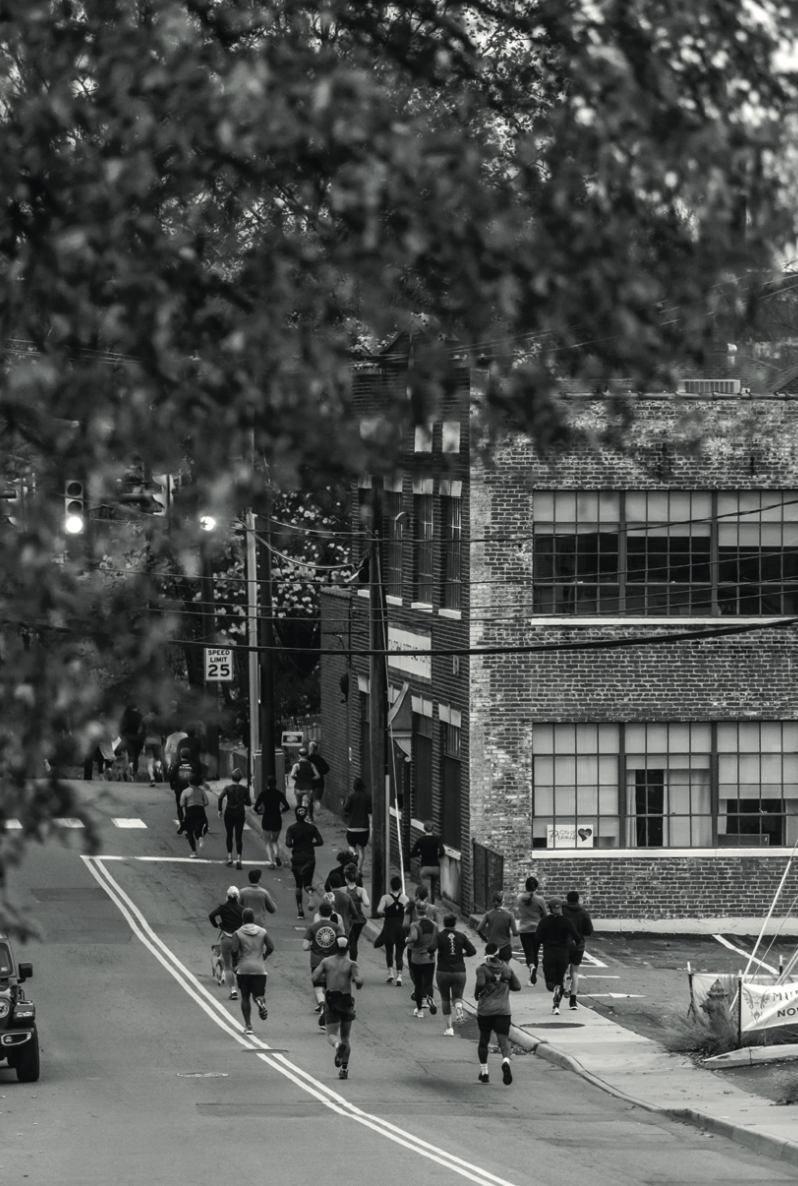
Nearly two years later, anywhere from 15 to 100 crew members will run, jog or walk the Prolyfyck route every Monday, Wednesday and Friday at 6am. After each run, the group circles together and several members speak. More than 300 people are in the crew’s GroupMe chat and join in frequent races and community events together.
WE WERE MADE TO RUN
“To give something like that to the Black community that was kept from them… like, you don’t run unless you’re running away from something,” Jones said during the Boston panel. “And that shit ain’t fair. It’s empowering to run because you want to, to run because you have made time to do it — to run to take care of yourself. [The Black community] struggled from a lot of stuff because we didn’t see it. You gotta see it.”
Growing up outside Washington DC, Cheryl Robison saw her mother running alone several times a week. Robison, an only child, would sometimes bike beside her. By high school, Robison ran to stay in shape for soccer, but she didn’t consider herself a runner.
Robison and her husband, Jon, had their son, Lucas in 2011. They moved to Charlottesville two years later. In early 2020, after Robison had left her career in order to open and add a café to the family’s existing coffee-roasting business, Instagram algorithms had literally placed the run crew in front of her on her home page. When she saw the posts, she recognised Jones – her new neighbour. And when she read the posts about the run crew, she decided to try a run.
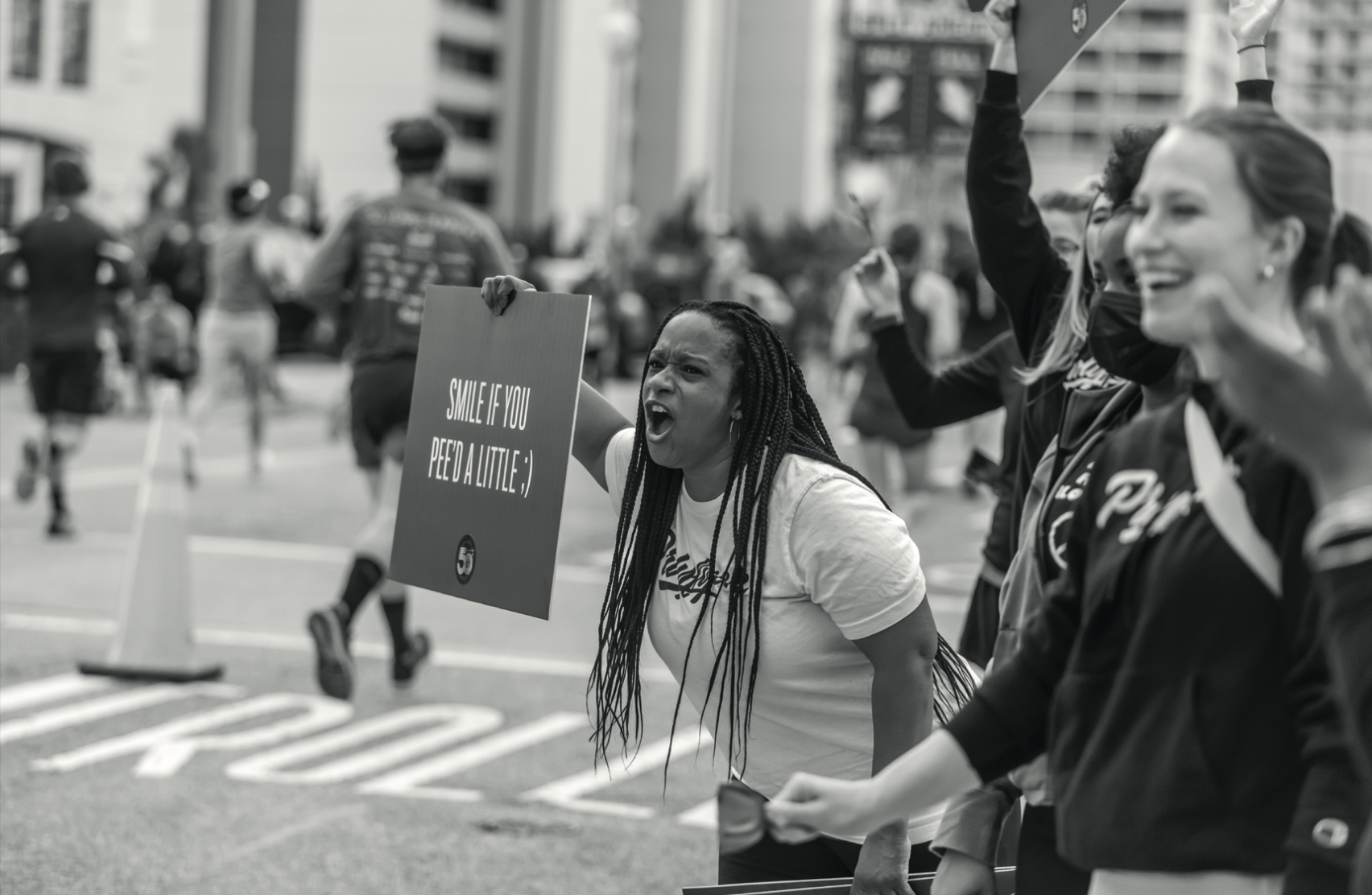
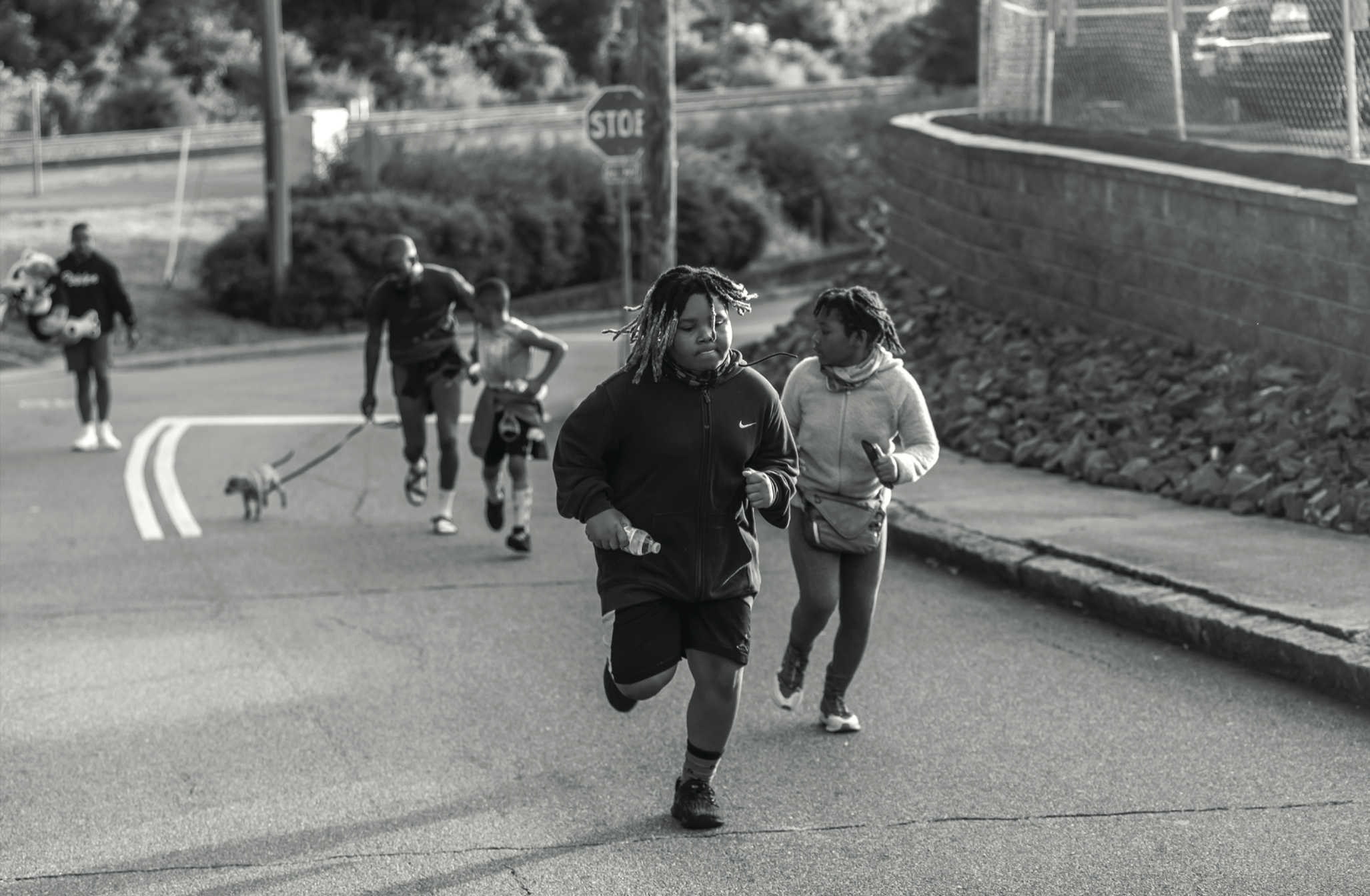
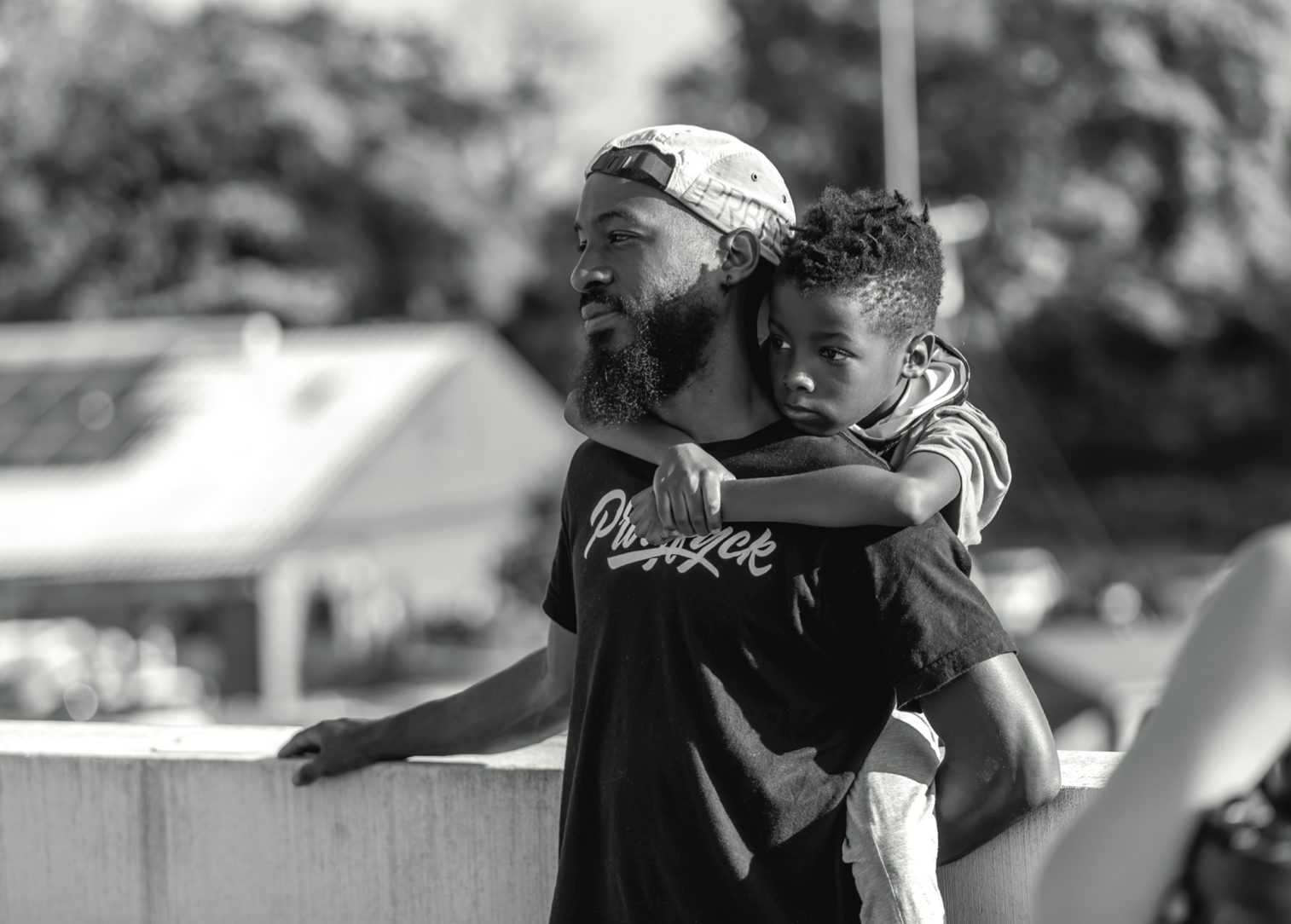
The route begins at the Jefferson School, an institution originally founded during the 1920s as the city’s first segregated high school for African-Americans, but which today serves as a recreational centre. As Robison pushed herself through the first mile, James “Littlez” Dowell, a Prolyfyck co-founder and group leader, yelled encouragement. “This is your hill!” he cried out. Even though the run was hard, she found herself yelling right back. “This is my new home,” she thought.
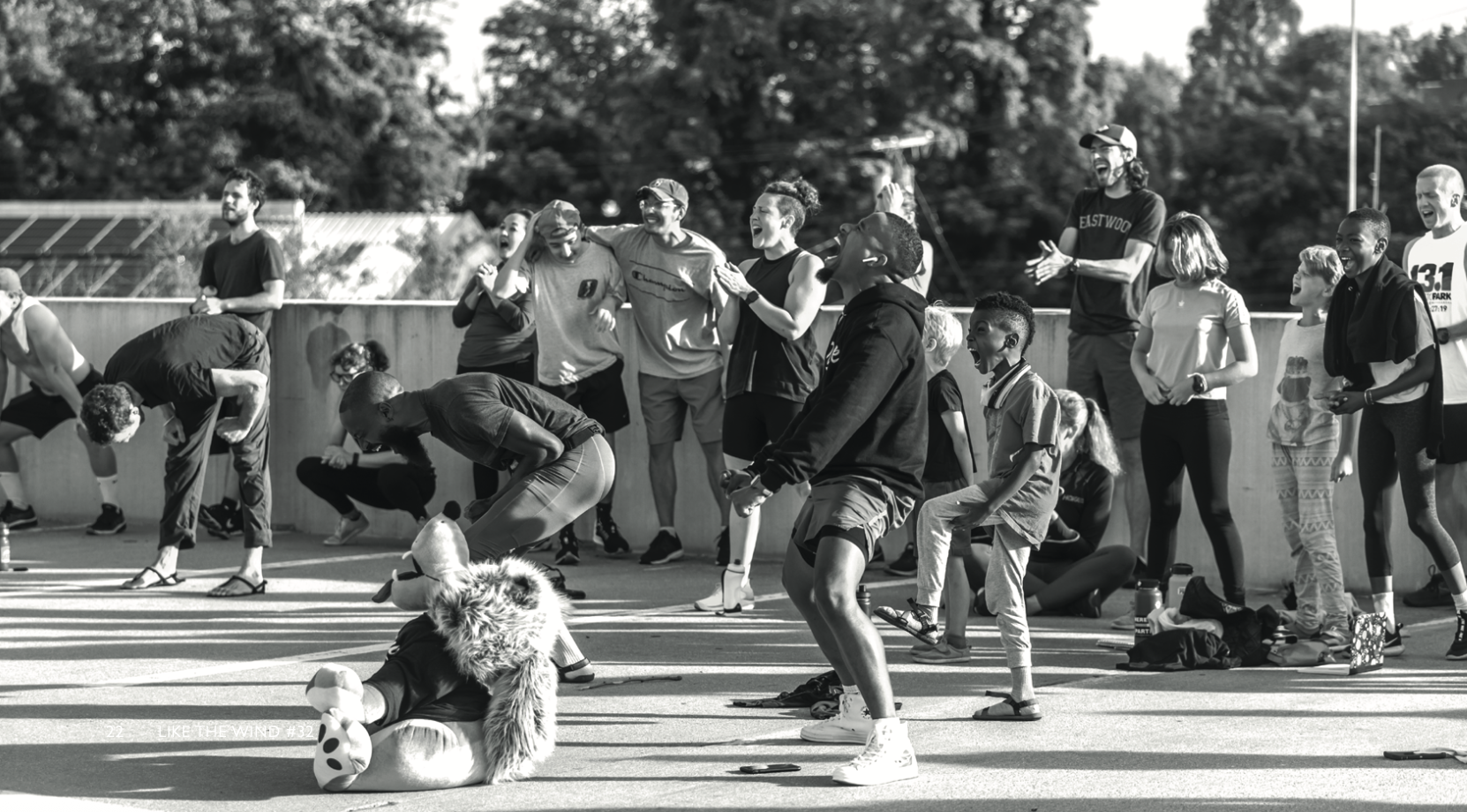
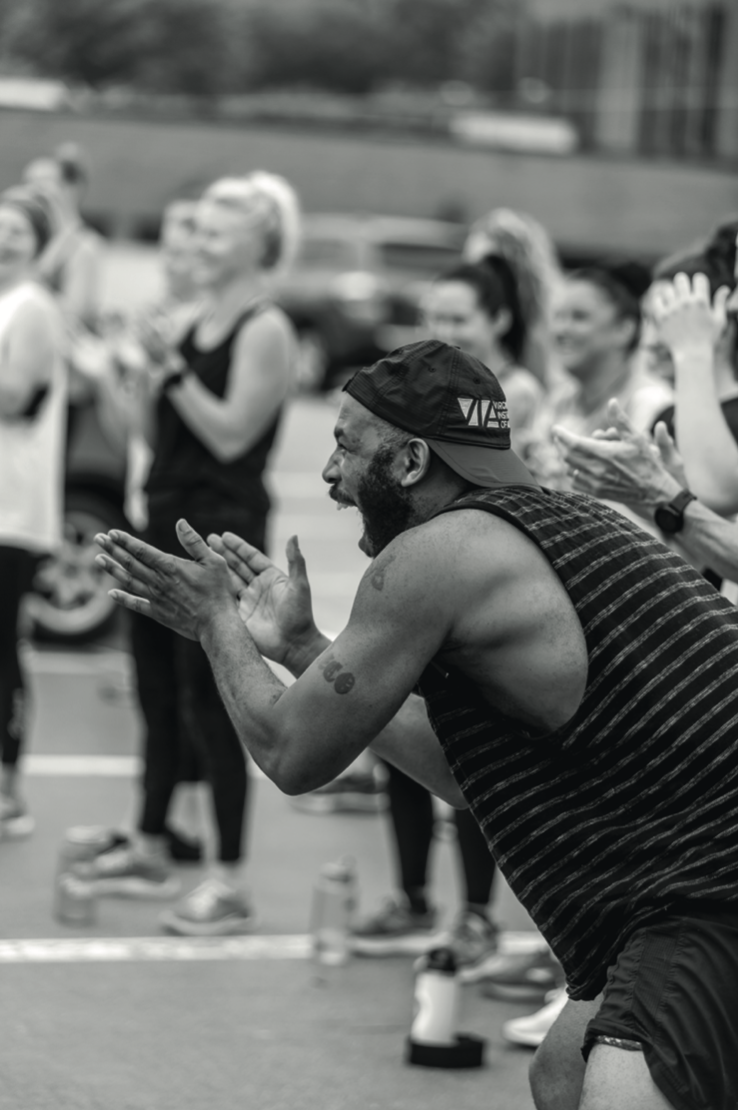
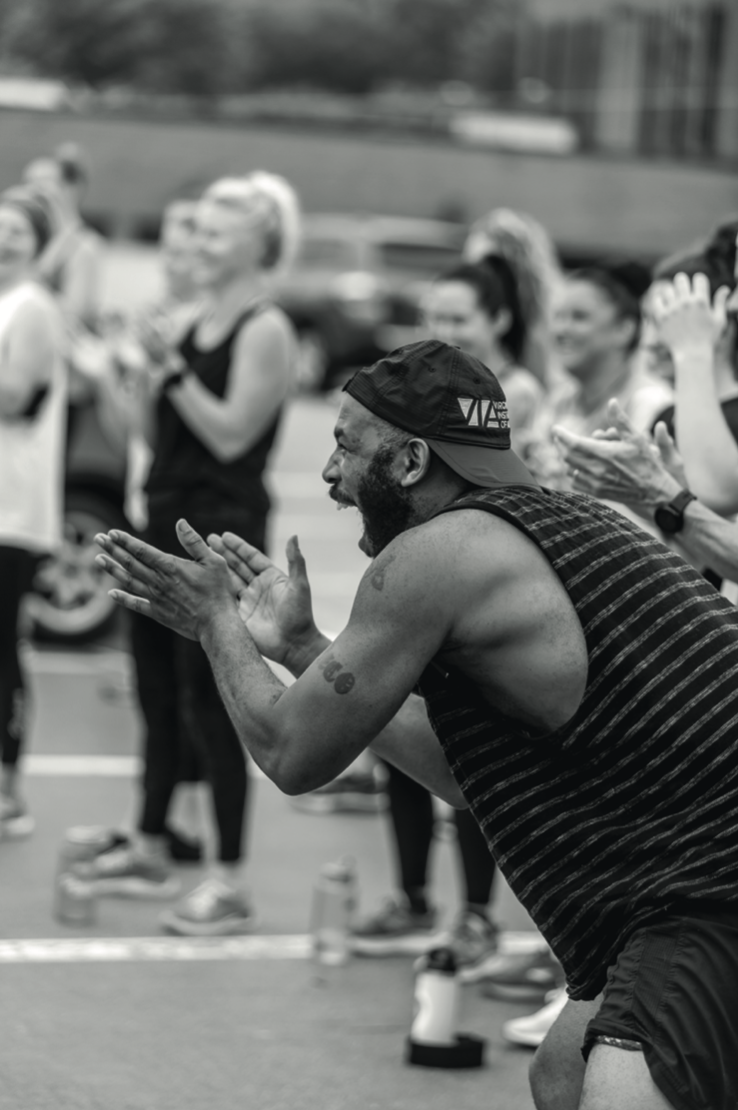
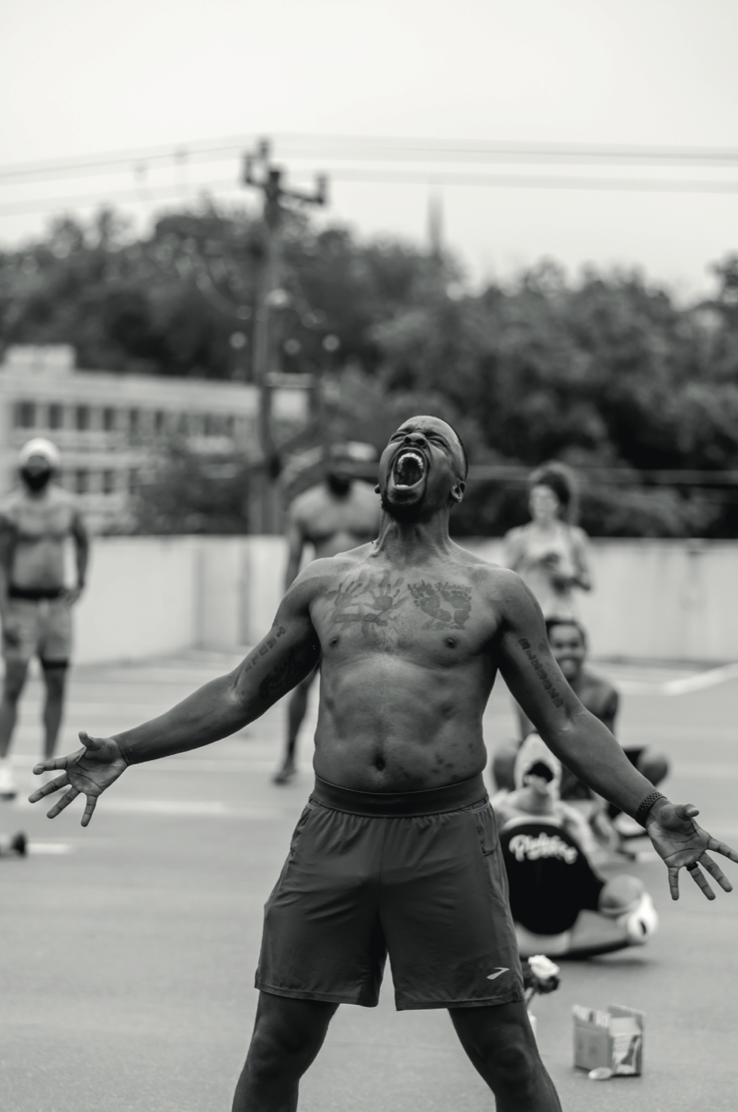
The yelling is one of the many aspects that makes Prolyfyck unique. Rather than general cheers and whoops, crew members direct specific motivations toward each other. “I see you!” Littlez yells out. “We here!” Jones may yell in response. During the route’s final hill, crew members yell “Cold shower!” because, as Jones says: “You don’t want to take a cold shower, but sometimes, you have to.”
Robison, who is 39, kept coming back. Her father is half Navajo and half-Mexican-American; her mother is white. Her grandmother, who is Navajo, spent most of her career working for the Bureau of Indian Affairs in Washington, DC, focusing on health-related initiatives and often travelling to tribal communities nationwide.

The first part of the route passed a large bronze statue of Meriwether Lewis, William Clark and Sacajawea. The statue depicted Lewis and Clark standing and facing one direction; Sacajawea, their guide, crouched (her position is debated – some people have pointed out that she appears to be cowering) behind them. Every time Robison ran past the statue, she gave it the middle finger. Sometimes, she yelled as well. “It wasn’t really anything overtly political as much as personal,” Robison says. “When I look around, I see no one here [in Charlottesville] who looks like me. And the one person who does [the statue] – it’s a false representation.”
Robison’s parents chose to raise her in the northern Virginia area. But most of their Navajo family members still live in the south-west. Robison can count on one hand the number of times she has met a fellow Indigenous person in town.
Prolyfyck has allowed her to feel seen. “When you are so used to being invisible to some degree, to have people really listen to you and see you can be overwhelming sometimes,” Robison says. “This run and this space – I am allowed to be here and be honest about how I feel.”
Prolyfyck member Ben Campbell knows that feeling as well. From a young age, Campbell loved basketball, which he calls his “first drug”. He started using actual drugs in high school. His father, an addict, died just before Campbell turned 21, and Campbell turned to alcohol.
THIS IS COMMUNITY
During a two-week stretch during July 2002, Campbell, then 26, was arrested twice for driving under the influence. When he was released from jail the second time after a three-day stint, his then-wife dropped him off at a residential treatment facility.
He stayed clean for three months but then started using again. His then-wife wanted a divorce, and Campbell moved out.
By 2004, Campbell decided he needed to get clean – for good. He had wanted to do so for years, and had tried before, but this was the first time he stayed consistent with it (Campbell credited the confluence of “grace, opportunity and willingness” – having all three, he says, gave him the chance to truly get clean.)
“There’s a phrase in the recovery community: ‘Addiction is the disease of forgetting’,” Campbell says. “At some point it clicks like, ‘I’m either gonna die or be locked up for the rest of my life, or I’m gonna get clean.’ There is no real middle ground, right? It was just not the existence I wanted.”
Campbell has now been clean for 18 years. During recovery, he began walking for exercise, losing 50 pounds. He occasionally jogged a mile or two, but he didn’t run distances.
“Whatever the individual person’s beliefs, there’s a love, a caring, that is bigger than any one person” – Ben Campbell
In 2018, Campbell and Jones started a company, which they called Prolyfyck (prior to the run crew adopting the same name). Their goal was to partner with Black and brown artists to create merchandise to showcase the artists’ talent. “It was more a mindset and a culture than a business idea,” Campbell says. “We want everyone to have the opportunity to have a prolific life, whatever that looks like for you.”
Campbell, who is white, started walking with the crew when his wife, Rachel, began running with Prolyfyck in 2020. She sometimes brought their children: their two daughters walked the route with one or two of Jones’s four children; their five-year-old son often ran the route alongside his mom.
On 31 March 2021, Campbell tried his first solo run – not with the crew, but on his own. He completed one-and-a-half miles at a 10.47min/mile pace. Two days later, he ran a mile and a half again. One morning several weeks later, Campbell ran the Prolyfyck route alone, to ensure he could finish it.
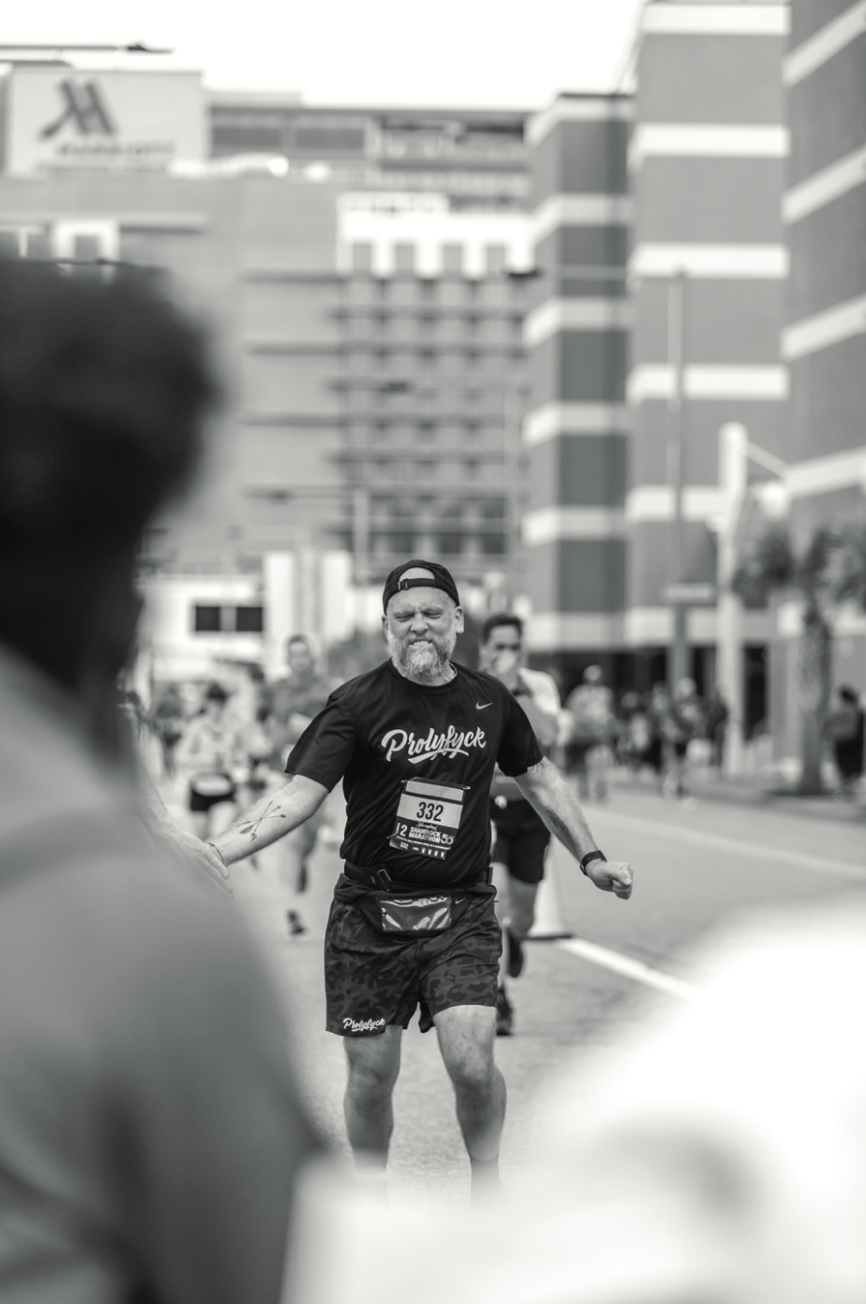
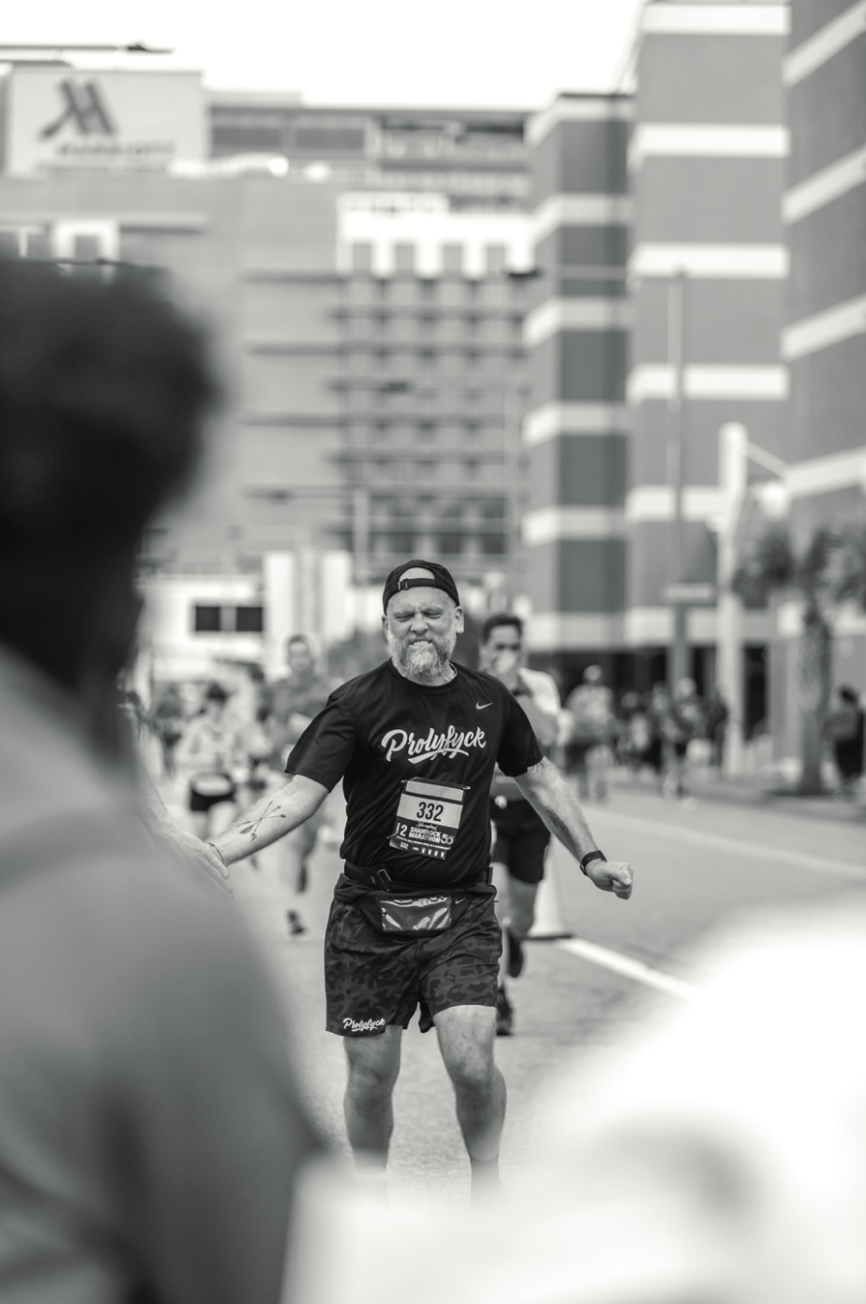
On 14 May 2021, he ran with the Prolyfyck Run Creww for the entire route, for the first time. He has run with them ever since. Exactly one year after his first solo run, Campbell finished his first full marathon. He hopes to run another, with the goal of qualifying for Boston.
One of his biggest takeaways from his time in recovery was realising that the love and care of a group is greater than any individual’s strengths or weaknesses. “That’s Prolyfyck too,” Campbell says. “Whatever the individual person’s beliefs, there’s a love, a caring, that is bigger than any one person.”
Juanika Howard grew up in Charlottesville and began running in high school. But at 4’11½”, Howard did not have the long legs of a sprinter: instead, she liked the consistency of a steady jog.
In 2011, she formed a small running group with fellow church members. They set a goal to run the 2012 annual Charlottesville Women’s Four-Miler. As she stood at the start of her first race, she worried about all the people around her. Would she trip? Would they run into her? She opted to walk instead.
The next year, Howard’s friends convinced her to sign up for the Army Ten-Miler in Washington DC. Even though she had trained, by mile six, “I was asking: ‘Can we slow down?’” At mile eight, she had convinced herself to quit. But she kept going, and eventually, she finished the race.
“That was when I got the bug,” Howard, who is Black, says. “Once you get that, you gotta keep going.” But as the years passed, several of her runner friends moved away. By 2019, the group was down to two members.
Scrolling Facebook one afternoon, she saw a majority-Black running group called Run These Streets. When she saw their average pace – seven, eight-minute miles – she wondered where the 12-minute milers were. “Those are runners, too!” Howard says.
After encouragement from a friend, she decided to try the group. She didn’t know the route, but once she arrived at the Jefferson School, Jones, Dowell and another group co-founder, Wes Bellamy, assured her that no one would be left behind. She finished the first mile and arrived at the corner of 6th Street and Monticello Ave, where the other runners were waiting. “You got this, sis!” they yelled.
“I can’t believe I am out here doing this,” Howard thought. She asked where the route went next; when someone said Lankford Avenue, “I was like, ‘Are you serious right now? Not Lankford! Any other hill!’” (Lankford is a quarter-mile climb, with the steepest section angling almost straight up for the last hundred feet).
She made it up the hill. Next up: Prospect, another steep hill. “I’m like, ‘God help me, I am going to die on this street,’” Howard remembers. “I thought, ‘This is so hard. Every mile had some dramatic hill.’”
Residents of the neighbourhoods where the crew runs will sometimes yell support or stand on their porches or balconies and greet the runners. Just after Prospect, one woman waits for the bus each weekday morning. When the crew runs by, she offers high fives and hugs to every runner. “Good morning!” she yells, a wide grin on her face. “How are we today?”
“It’s a very diverse space, and we care about everybody” – William Jones III
“We have shifted the way people see Black people running in Charlottesville,” Robison says. “When you see a Black person running now, the white community doesn’t look twice. Whereas they probably used to, right? We’ve created some buzz and some norms about people of colour being able to run.”
When the group reached the relatively fat West Main Street section, Howard hoped they would retrace the quarter-mile back to the start. But no. “We’re going through Westhaven,” they told her (Westhaven is an affordable housing community situated between downtown and the University of Virginia campus). “There is another hill to get out of Westhaven, whichever way you go!” Howard thought to herself.
Still, she kept running. As she reached “Cold shower!” Howard was frustrated. Why had she tried to keep up with the group’s sub-nine-minute-mile pace? Why did she embark on a route she didn’t know? Questions circled in her head as she pushed herself up the last hill. As the crew stood at the top, clapping and cheering, she turned to Dowell.
“These fucking hills, what is this shit?” she yelled at him. “What the fuck?”
The group jogged back down Main Street, returning to the start. As they hugged and high-fived each other, Howard wondered how soon she could get into her car, drink water, and go home.
Afterwards, she processed it all. She centred on one thought: ‘There’s no way in hell I’m letting these hills beat me.”
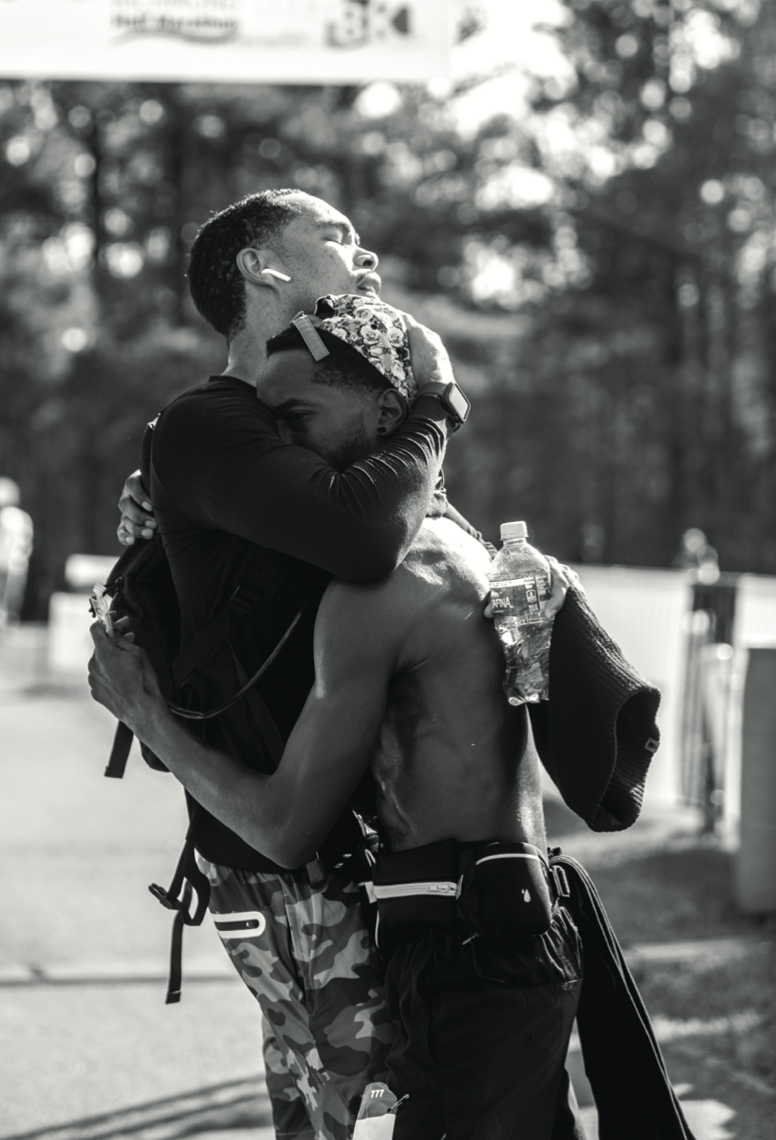
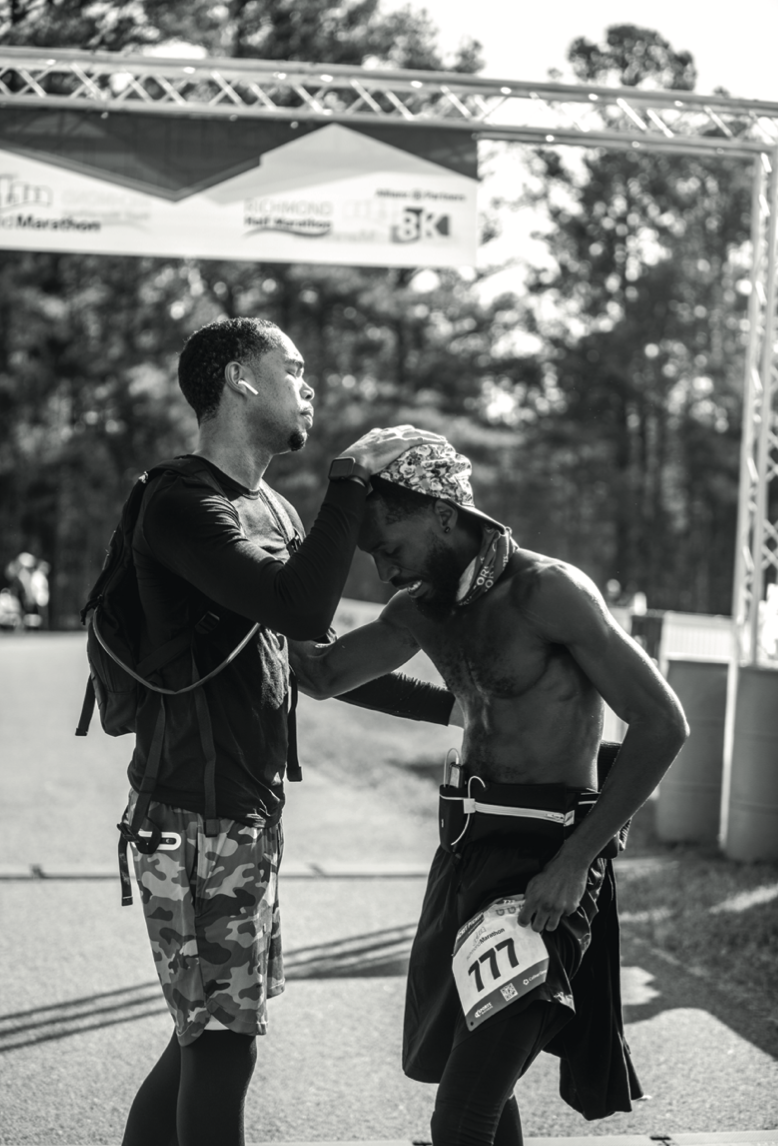
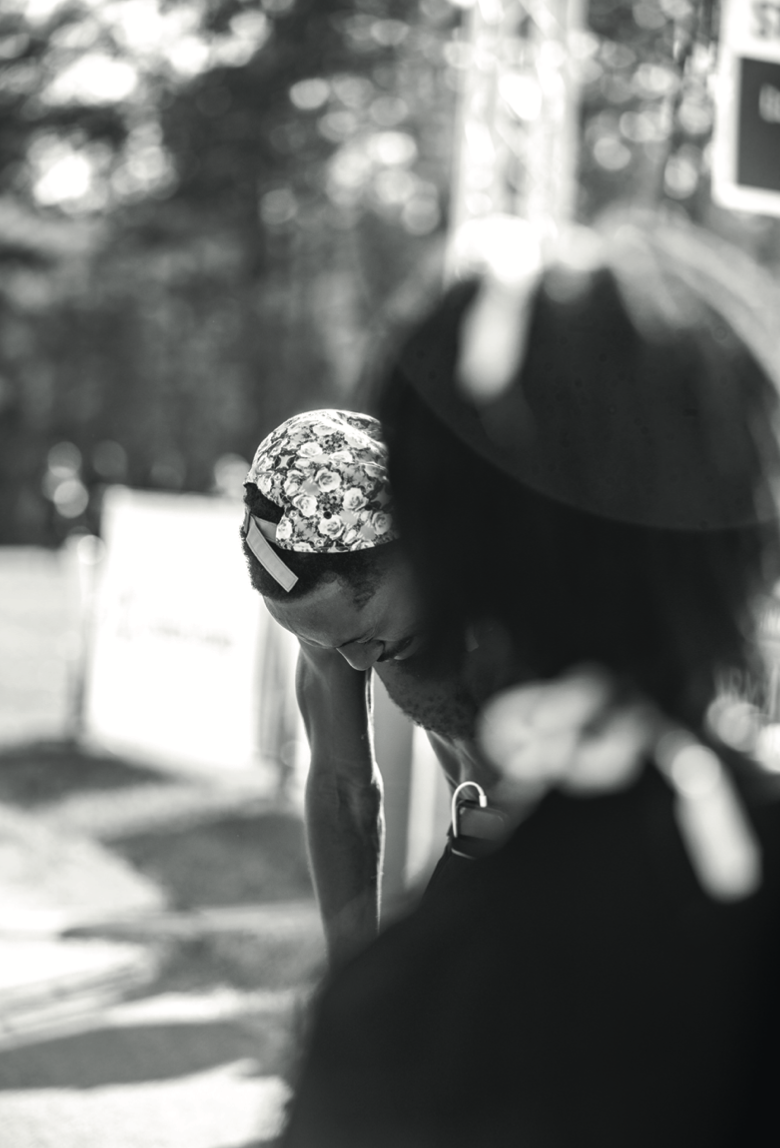
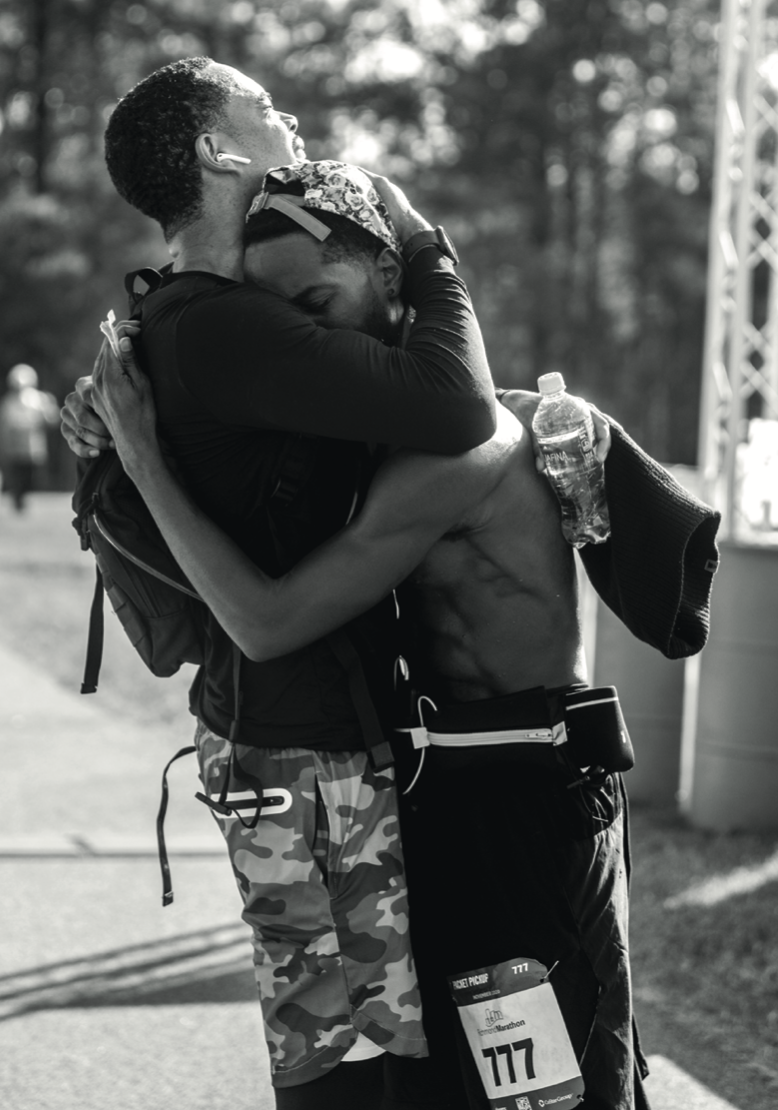
The next time Howard joined Prolyfyck, she brought a friend. She met another crew member, and the trio decided to create their own, modified version of the route and meet the runners at the top of the last hill. They named themselves the OG Cruisers, “because we created something we can do at our own pace,” Howard, 43, says. The Cruisers have grown to more than a dozen people; Prolyfyck has since added other groups: Cruisers (slightly faster), and walkers as well.
Howard, who has a wide, infectious smile and laughs often, called the crew “my medication” throughout the pandemic. She remembered a run during autumn 2021, after which the group circled up in the parking lot. Another of the group’s leaders, Ahmad Hawkins, had lost his aunt to cancer earlier that week, and the morning’s run was dedicated to her.
Howard watched as Dowell, Jones and two other crew members gathered around Hawkins, sharing stories and laughing. “It was the perfect definition of Black boy joy,” she says. “I thought, ‘This is beautiful, this is community.’ It was everything, the way they cared for Ahmad.”
That care has manifested outside of the run as well. When Howard’s mother, Vizena – a regular walker with Prolyfyck – was diagnosed with cancer, group members organised a meal train and began bringing her food, flowers and support. When a resident of one of the neighbourhoods where the crew runs was moving to a new apartment, crew members showed up on a Saturday to help her.
Several Prolyfyck members have started volunteering at a local juvenile detention centre, teaching art classes and leading workouts. Prolyfyck has an art studio space where group members’ work is displayed monthly, and the space recently showcased the detention centre youths’ art. There is also a weekly “kidz crew”, where group members bring their families to have dinner together, play outside… and sometimes run.
LIKE THE WIND IT’S WHY WE RUN
want more stories like this?
Subscribe to Like the Wind and receive global running stories in our quarterly magazine
“Now it’s like, ‘How much good can we really do?’” Jones says of Prolyfyck. “How can we influence other communities outside of Virginia? I see the run culture as a really good way to address social stuff and mental stuff for communities. How can we encourage other communities to create the same sort of space, where they have people leading who care and are interested in making this space better for everybody?”
The Prolyfyck run on 6 May 2022 was dedicated to increasing awareness for Missing and Murdered Indigenous Women. (Robison’s aunt – her father’s sister – is an Indigenous woman who has been considered missing at times throughout her adult life.)
A light rain fell toward the end of the run as group members, wearing red shirts, gathered in the parking lot. They formed a circle and Robison stood at the top centre. “You haven’t even started speaking and I’m probably gonna cry,” Littlez said to her. “Me too,” she replied.
The Lewis, Clark and Sacajawea statue was taken down on 10 July 2021. Robison happened to be there, along with several other Prolyfyck crew members, as the crane removed it. They stood together, flicking off the statue one last time. In Boston, she had shared that story with Fish, as they ran together during a community run the day after the panel event.
“Whether it’s in running or in speaking up and being vulnerable about how we feel, we all lead by example in this group,” Robison said. “We come here and we run, and we go out and spread that love and support in our communities.”
Hawkins played professional (American) football for more than a decade. He was often one of the first players running out of the tunnel before the game, who would stand in the middle of the huddle and lead his teammates in a pre-game breakdown: yells, chants, cheers.
“We come here and we run, and then we go out and spread that love and support in our communities” – Cheryl Robison
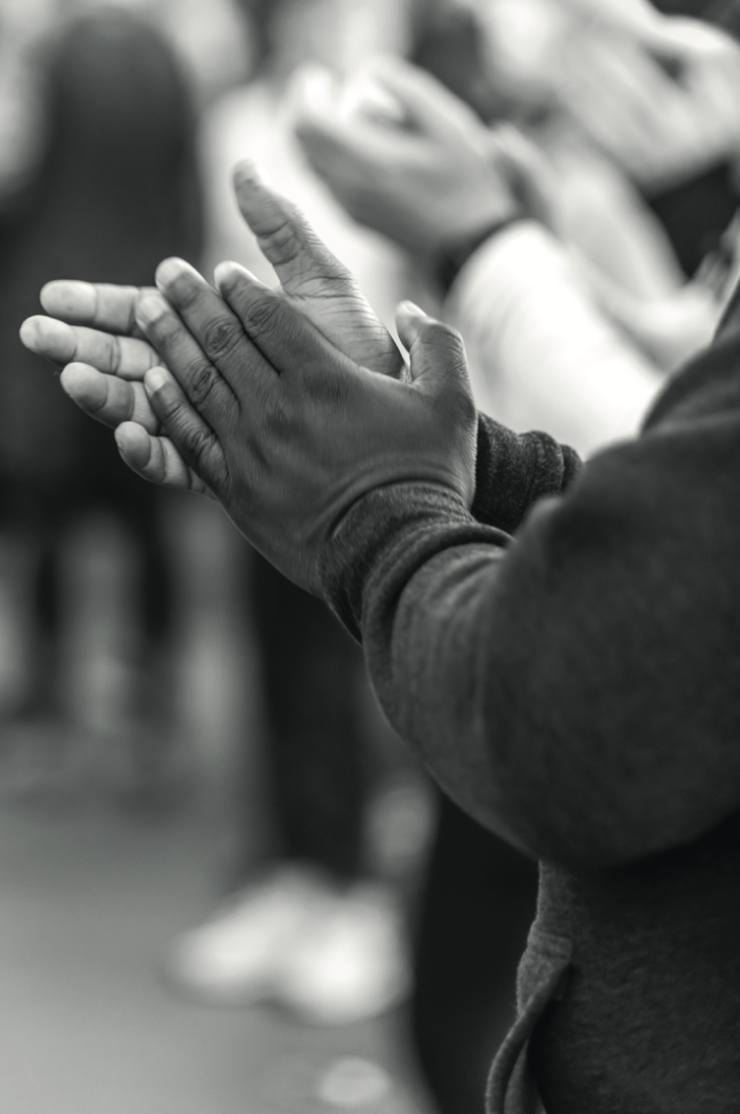
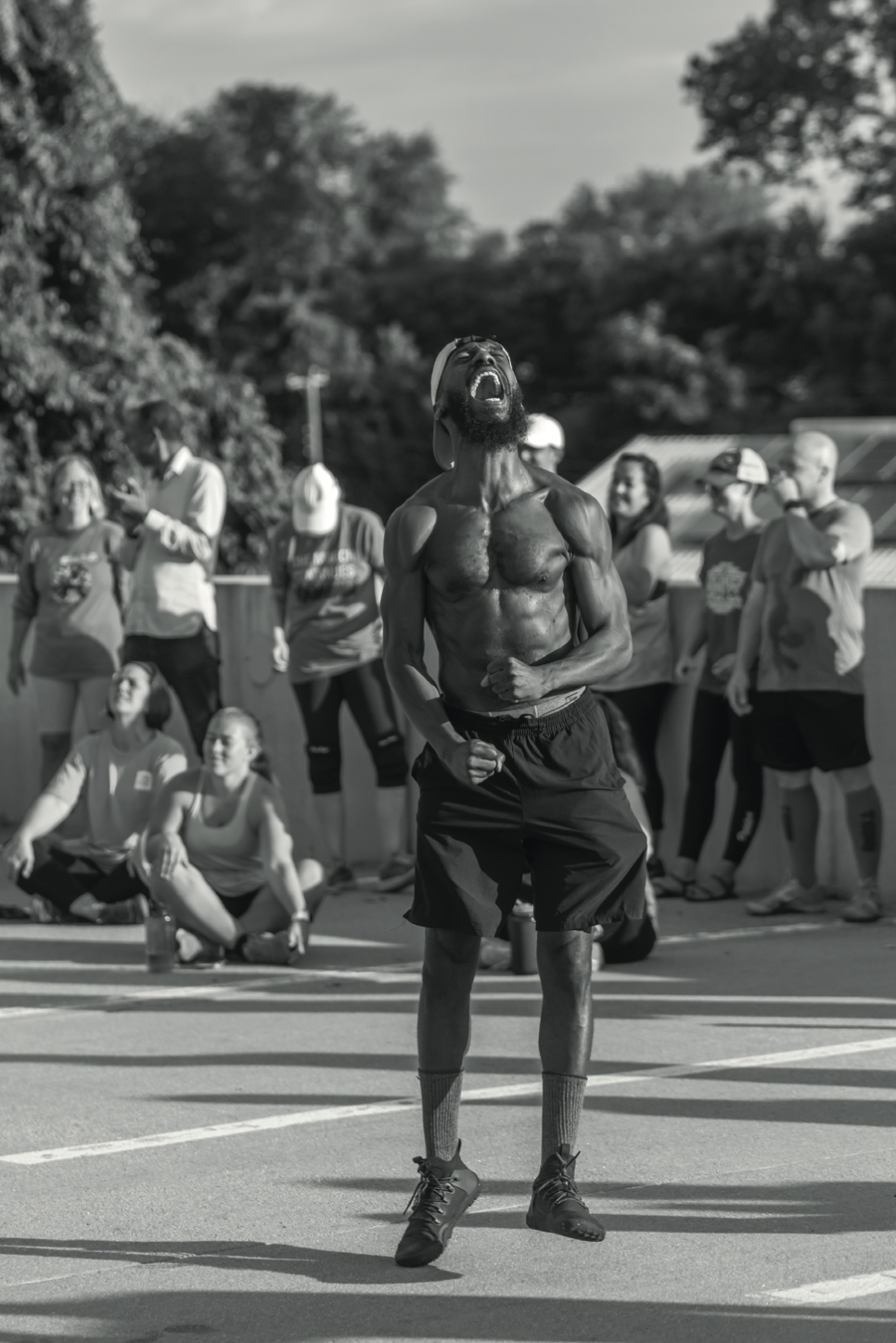
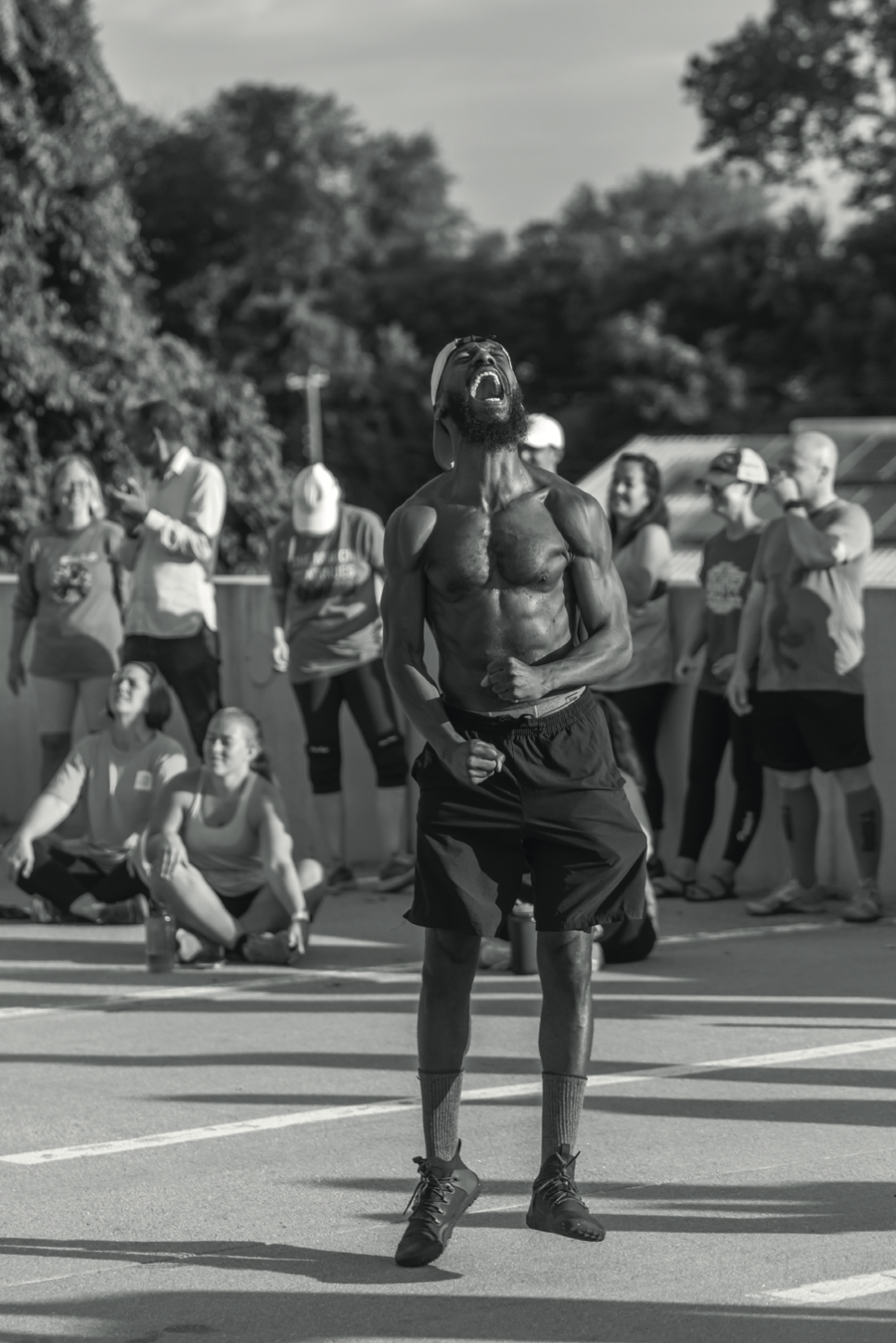
When he first joined Prolyfyck, it was a packed summer Friday. To Hawkins, it felt like a football game. He turned to Dowell and Jones and said: “I want to break us down.” First, he asked if there were any first-time attendees, a practice he has continued through today. Then he started a slow clap, which group members joined in on, before counting down to a collective yell to, as he says, “Let that rage out.”
“If anything is bothering you, or if there is anything you want to celebrate, let it out – you will feel so much better when you yell,” he says. The yell was therapeutic for him as well. “You never know what someone is going through,” Hawkins says. “I’m an only child, so I know how to hide my pain. I’ve gotten better at allowing the group to see the inside of me. That rage is me opening up to everyone else. That is what I love about Prolyfyck–it lets me be myself.”
“[Prolyfyck’s] intentions are still the same: to be a safe space for Black men and Black women,” Jones says. “But the reality is it’s a very diverse space, and we care about everybody. Now it’s turned into a storytelling space to really address even more social issues. Before, it was: ‘Let’s take care of our health, let’s be strong Black men seen in our community.’ Now it’s like, ‘How can we bring attention to all these ills and injustices that keep happening to us?’”
As the yells quieted, Hawkins started speaking before pausing, overcome with emotion. Robison walked up and the two put their arms around one another as they each raised a fist. Each group member then held a fist high as Hawkins led them in their shared final words: “I’m prolific, so gifted! I’m the type that’s gon’ go get it!”
AK Clemmons is a freelance writer and assistant professor of practice in the media studies department at the University of Virginia, USA. She is passionate about narrative, non-fi ction storytelling.
Derrick J Waller is a photographer and painter based in Charlottesville, Virginia, USA.